
Common questions
Beginner photography questions, answered honestly
Photography can sound more complicated than it needs to be. Here are direct answers to the questions that often stop beginners from practising or asking for help.
The short version
- You do not need expensive equipment or permanent Manual mode to learn well.
- A kit lens and the camera you already own are enough to build strong fundamentals.
- Editing is part of the process, but it works best when the photograph already has a clear idea.
Do I need an expensive camera?
No. A camera that lets you influence aperture, shutter speed, ISO and focus is useful for learning, but price does not create timing, light or composition. Many older cameras and entry-level models are excellent teaching tools.
Learn the camera you have before buying around a problem you cannot yet name. When a limitation becomes specific—autofocus for sport, low-light work, print size or a particular focal length—you can make a much better purchase.
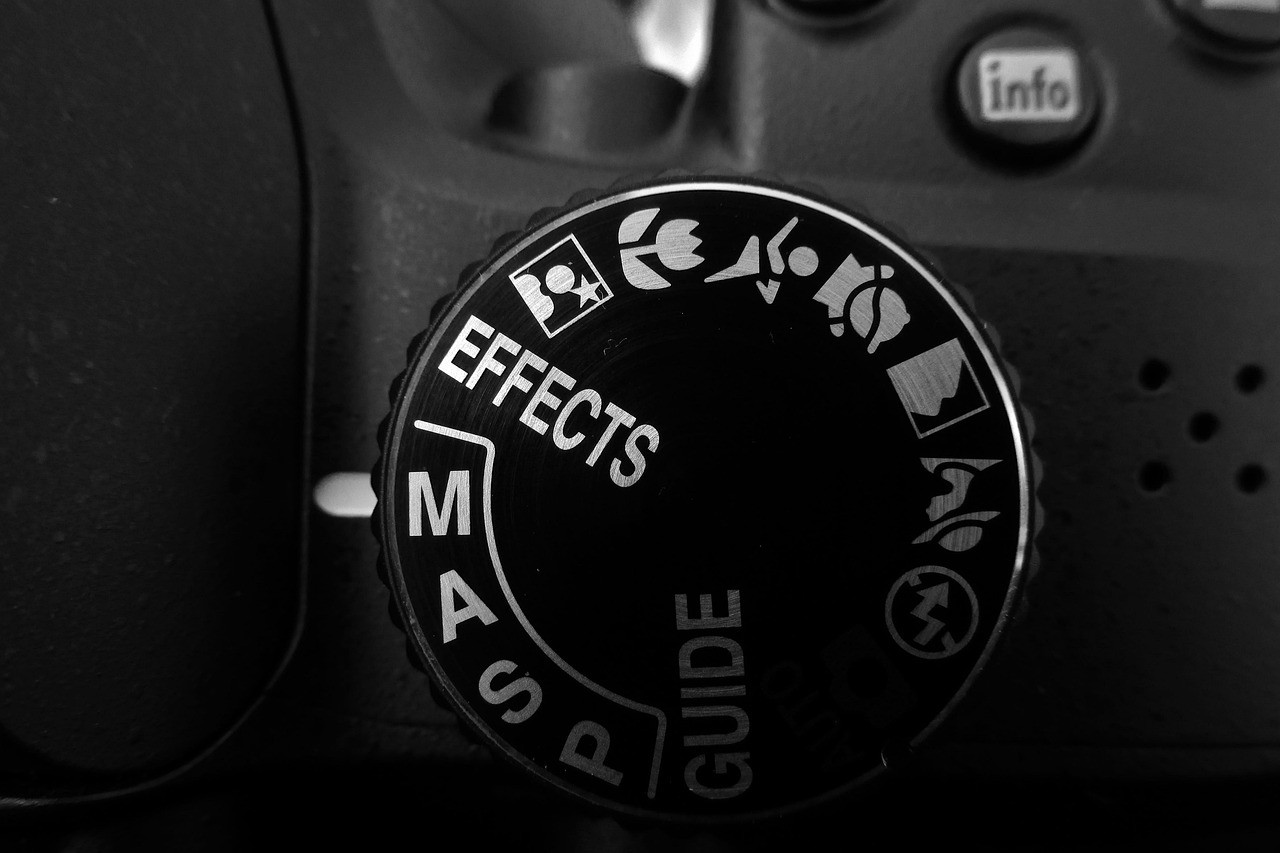
Should I always use Manual mode?
No. Manual mode is valuable when you need consistent exposure or want complete control, but Aperture Priority and Shutter Priority are professional tools too. A good photographer chooses the mode that makes the important decision easy and leaves attention for the subject.
The goal is to understand what the camera is doing, not to make every photograph take longer.
Should I photograph in RAW or JPEG?
JPEG files are smaller and ready to share. RAW files keep more information for correcting exposure, colour and white balance, but they need processing. RAW+JPEG is a sensible bridge while you learn, if you have enough card and storage space.
File format cannot rescue every mistake. Good focus, timing and composition still have to happen when you take the photograph.
Is the kit lens good enough?
Yes. A standard kit zoom covers useful viewpoints and teaches you how focal length changes a frame. Use it until you can describe what it prevents you from doing. You may eventually want more reach, a wider view, closer focusing or a wider aperture, but each of those leads to a different lens.
Is editing cheating?
Basic editing is part of digital photography, just as choices in printing were part of the darkroom. Exposure, contrast, colour, cropping and local adjustments can help the file express what you saw. The ethical boundary depends on context: documentary, wildlife competitions and commercial work may have different rules.
Editing is most convincing when it supports the photograph rather than trying to invent a reason to look at it.
What is the fastest way to improve?
Practise one decision at a time and review the results. Spend a week noticing backgrounds, or photograph movement at three shutter speeds. Keep the misses long enough to diagnose them. Randomly taking more pictures is less useful than repeating a small experiment with a question in mind.
What should I bring to a beginner course?
Bring the camera you want to understand, a charged battery, a memory card and any lens you normally use. The manual can be useful, whether printed or downloaded to your phone. A notebook is optional; comfortable clothes and curiosity are more important than arriving with advanced equipment.
Cheshire Photo Courses is a new course programme for 2026, led by Lymm-based photographer Emanuele Zanchettin. It brings his published, awarded and community photography experience into practical group days in Lymm for 3–5 beginners. Private photography and Lightroom tuition is also available at agreed locations across Cheshire, Liverpool and Manchester, in English or Italian.
Readers’ thoughts
Approved comments only · Shared across the English and Italian versions